You need to know the parts of a guitar to truly understand your instrument. Every piece plays a specific role in creating the exact sound you hear. We break down the anatomy of your instrument so you can communicate better with teachers and technicians.
The Headstock And Tuning Hardware
The Tuning Pegs
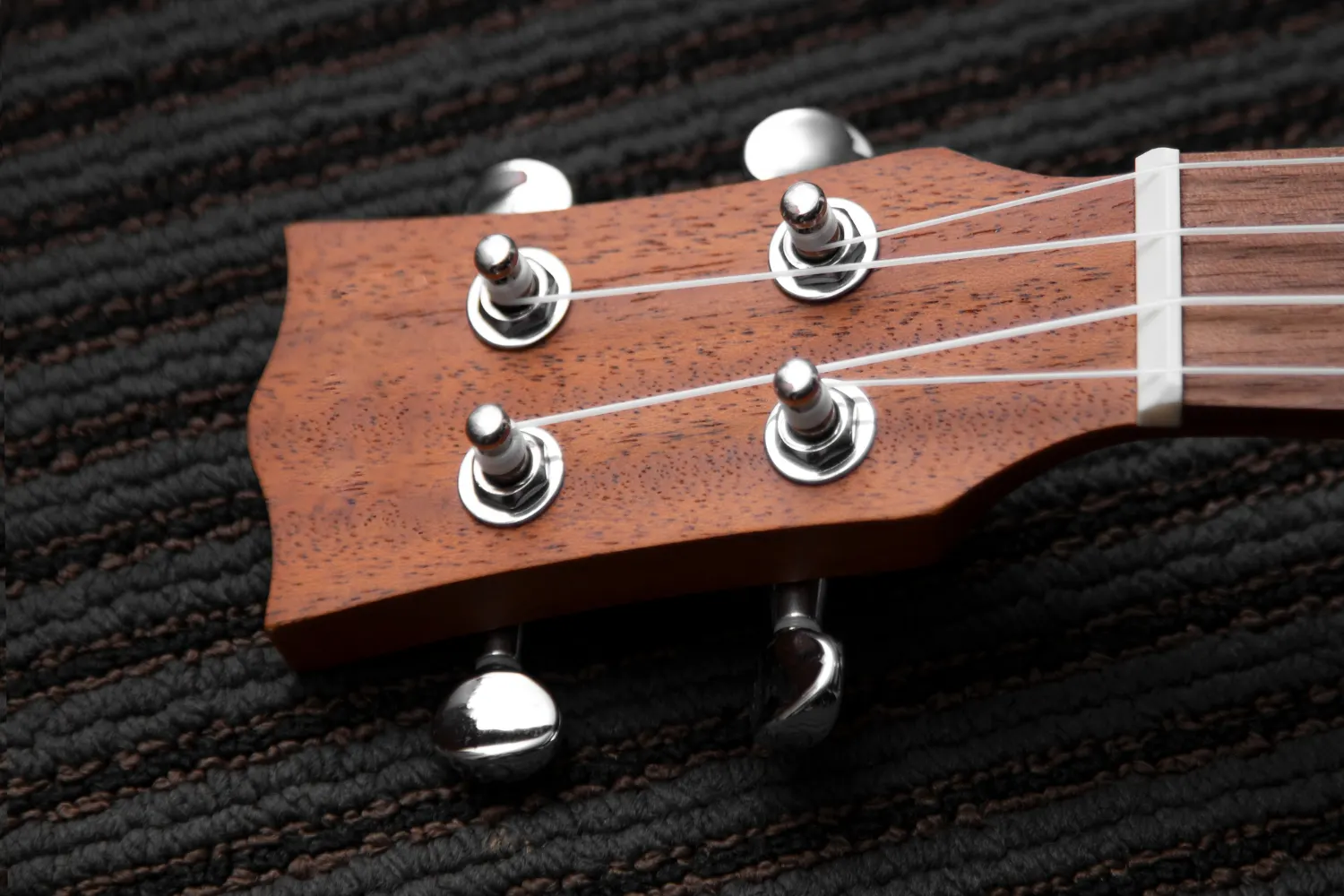
You use tuning pegs to adjust the pitch of individual strings. Turning the peg tightens or loosens the wire wrapped around the metal post. Good tuners hold the string tension perfectly during long practice sessions.
The Machine Heads
The machine heads house the internal gears that turn the tuning pegs. Manufacturers use sealed metal casings to protect these delicate gears from dust and moisture. You occasionally need to lubricate open-gear tuners to keep them turning smoothly.
The String Nut
The nut guides your strings from the headstock down the neck. Guitar makers cut small slots into this piece of bone or synthetic plastic. These slots determine the exact spacing between your strings.
The String Trees
Many electric guitars use small metal brackets called string trees on the headstock. These guides pull the highest strings downward to maintain proper tension across the nut. This downward angle prevents the strings from popping out of their slots when you bend notes aggressively.
The Neck And Fretboard
Your fretting hand spends all its time moving up and down the neck. A well-built neck allows you to play comfortably for hours without hand fatigue. You must understand these specific components to execute clear notes and chords.
The Fret Wire
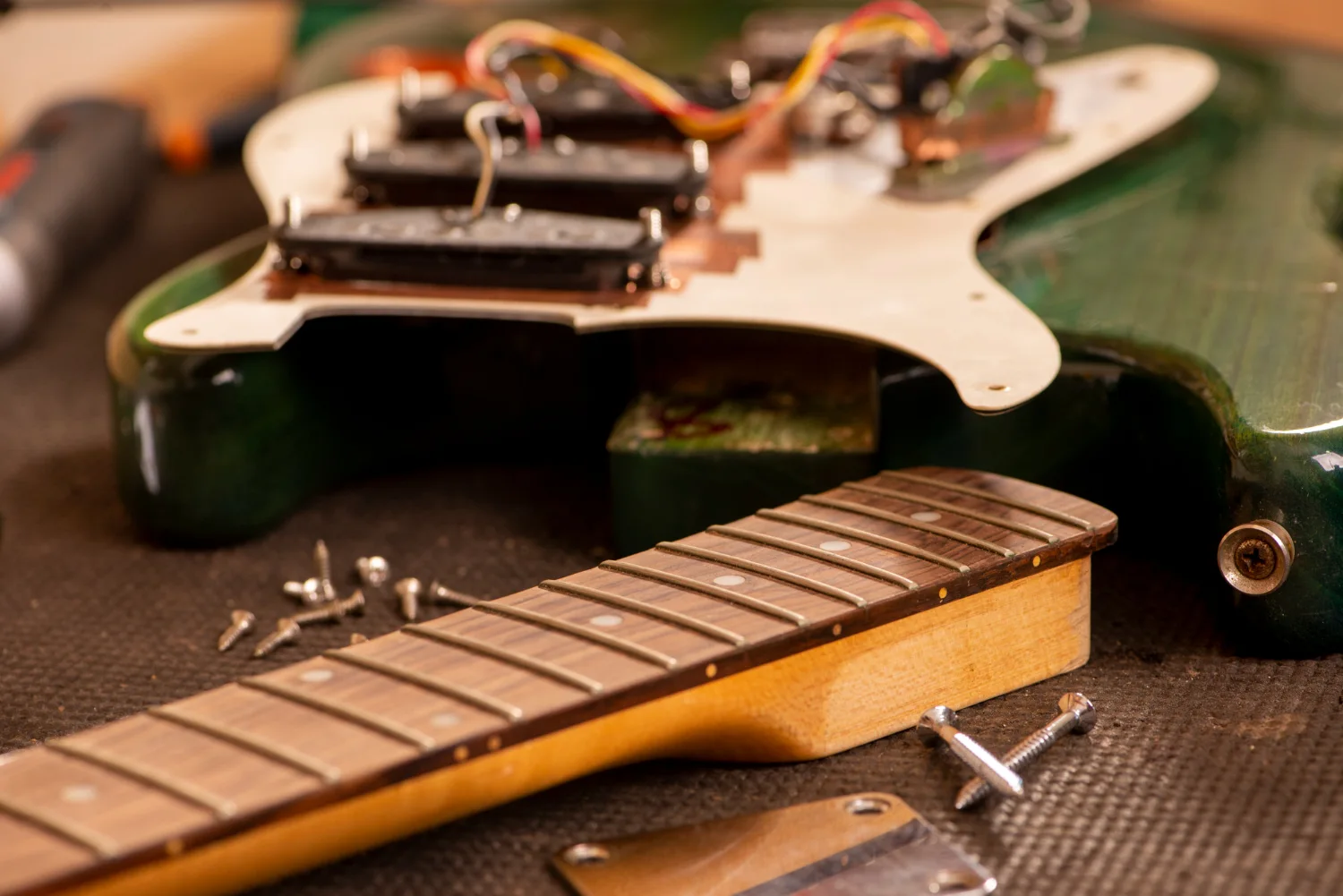
Builders press thin strips of metal directly into the fretboard to create frets. You press the string against these metal bars to change the pitch of the note. Taller frets make bending strings easier, while lower frets allow for faster sliding movements.
The Position Markers
Small dots or custom inlays decorate the fretboard to help you navigate the instrument. You usually find these markers on the third, fifth, seventh, ninth, and twelfth frets. They act as visual anchors so you never lose your place during a song.
The Truss Rod
A long steel rod runs through the center of the guitar neck to counter the massive tension of the strings. You adjust this rod to change the slight curve, or relief, of the wood. Only experienced technicians should turn this rod to avoid causing permanent damage to the neck.
Frequently Asked Questions
Learning the anatomy of your instrument naturally brings up several technical questions. We answer the most common inquiries to help you care for your equipment properly. Keep this knowledge handy the next time you change your strings or clean your instrument.
What Is The Bridge Of A Guitar?
The bridge anchors your strings to the body of the instrument. It transfers the vibration of the strings directly into the wood to create sound. Acoustic bridges use wooden pins, while electric bridges feature adjustable metal saddles.
Where Is The Soundhole Located?
You find the soundhole right in the middle of an acoustic guitar body. This opening allows the acoustic resonance created inside the hollow body to project outward. Electric guitars lack this feature because they rely on magnetic pickups instead.
What Do Guitar Pickups Do?
Pickups act as microphones for your electric instrument. They use magnets and copper wire to capture the physical vibration of your steel strings. The guitar then sends this electronic signal through a cable directly to your amplifier.
Why Do Guitars Have Pickguards?
A pickguard protects the wooden top of your instrument from aggressive strumming. Manufacturers attach this piece of flat plastic right below the strings. It prevents your plastic pick from scratching the finish over years of heavy use.
What Are The Strap Buttons?
Strap buttons are small metal pegs screwed into the body of the guitar. You attach the ends of your strap to these pegs so you can play while standing up. You must check these screws periodically to ensure they remain tight and secure.
Do All Guitars Have A Cutaway?
Many modern guitars feature a scooped section of the body near the highest frets. This cutaway gives your hand easy access to the upper register of the neck. Traditional acoustic guitars often omit this feature to maximize the internal volume of the soundbox.